
A specialized block that targets the lowest point of the sympathetic nerve chain to treat chronic pelvic and perineal pain.

The Ganglion Impar block is a medical procedure used to treat pelvic pain that arises from the perineal region and pelvic organs. By blocking the ganglion impar, the procedure can help alleviate pain related to various conditions that affect the pelvic region, such as chronic pelvic pain, perineal pain, cancer pain, or pain related to conditions like hemorrhoids and prostatitis.
The ganglion impar (also called the ganglion of Walther) is a single, small nerve structure located at the very bottom of the sympathetic nerve chain, right in front of the coccyx (tailbone). It is the only unpaired ganglion in the sympathetic chain, and it provides sympathetic nerve supply to the perineum, rectum, lower vagina, urethra, and surrounding pelvic structures.
When pain arises from these deep pelvic structures, it can be especially difficult to treat with standard approaches because the area is sensitive, hard to access, and deeply personal for many patients. A ganglion impar block offers a targeted way to interrupt pain signals coming from this region. The injection is placed near the front of the coccyx, where the ganglion sits, and a local anesthetic (sometimes with a steroid) is used to block the sympathetic pain signals.
For patients dealing with chronic coccydynia (tailbone pain), perineal pain, or cancer-related pelvic pain, this block can provide much-needed relief when other treatments have fallen short.
Ganglion impar blocks are recommended for patients with chronic pain originating from the pelvic and perineal region. You may be a good candidate if you have:
This block is particularly valuable for patients whose pain is visceral or sympathetically mediated, meaning it originates from internal organs or is amplified by the sympathetic nervous system rather than being caused by a structural problem like a fracture or disc herniation.
The procedure is performed in an outpatient setting and typically takes about 15 to 20 minutes.
You will lie face down on a procedure table with a pillow under your hips for positioning. The skin over the lower sacrum and coccyx is cleaned and sterilized.
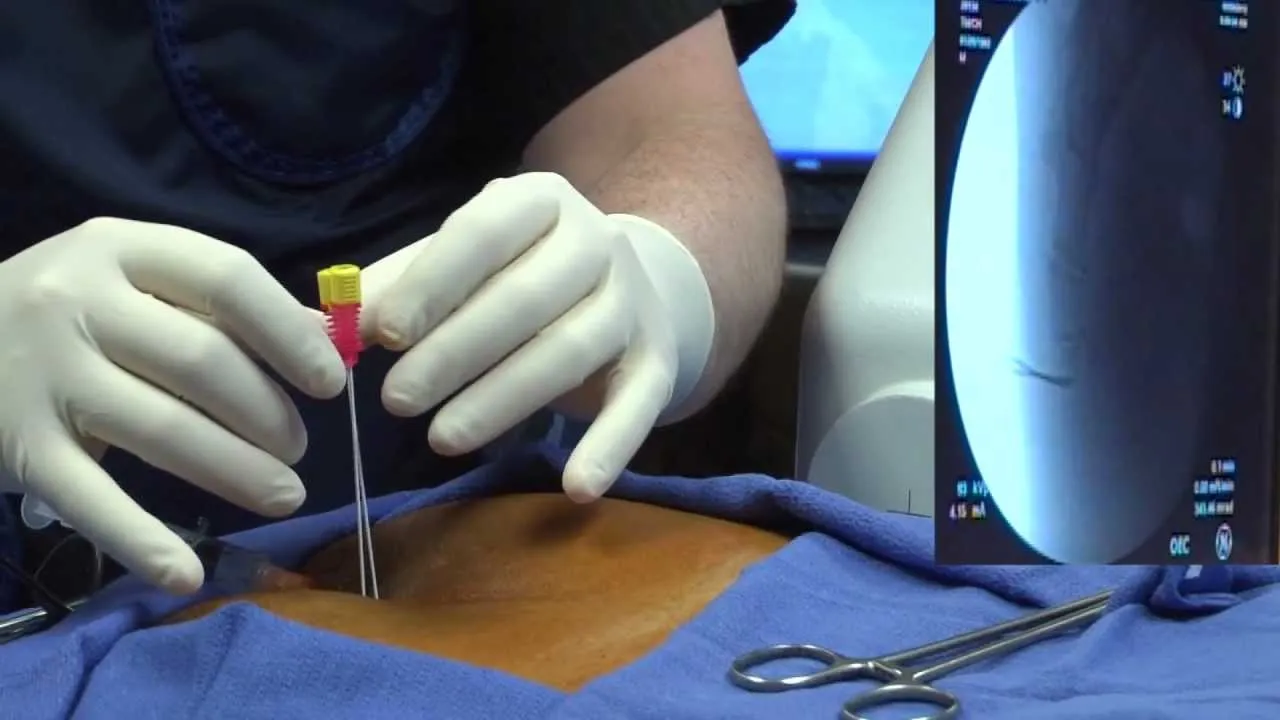
Using fluoroscopy (live X-ray) guidance, your doctor will guide a thin needle to the space just in front of the coccyx, where the ganglion impar is located. The approach may be through the sacrococcygeal junction (the joint between the sacrum and coccyx) or through the anococcygeal ligament, depending on your anatomy and your doctor's preference.
Contrast dye is injected first to confirm that the needle is in the correct position and that the medication will spread appropriately along the front of the coccyx. Once placement is confirmed, a local anesthetic and sometimes a steroid are injected.
The needle is removed and a bandage is applied. You will be monitored briefly before going home.
Ganglion impar blocks are covered by most insurance plans when performed for documented pelvic or perineal pain conditions. Our office will verify your coverage and discuss any costs ahead of time.
Recovery from a ganglion impar block is straightforward. Most patients can resume normal activities within 24 hours.
You may notice relief in the pelvic or tailbone area shortly after the injection. Mild soreness at the injection site near the coccyx is common for a day or two. Sitting on a cushion or donut pillow may help with comfort.
Avoid prolonged sitting on hard surfaces for the first 24 hours. Gentle walking is fine and encouraged. Ice can be applied to the injection area if needed.
If a steroid was included, the anti-inflammatory effects develop over the following three to seven days.
Results from a ganglion impar block depend on the underlying condition and the degree to which the sympathetic nervous system is contributing to the pain.
For patients with coccydynia, the block can provide weeks to months of relief, especially with a steroid. Some patients find that a single block combined with physical therapy and postural changes resolves their symptoms.
For cancer-related pelvic pain, ganglion impar blocks can provide meaningful comfort and are sometimes followed by neurolytic (chemical ablation) procedures for longer-lasting relief.
For chronic perineal pain conditions, the block serves both a diagnostic and therapeutic role. A positive response confirms the involvement of the sympathetic nerves and helps direct future treatment.
If the block provides good but temporary relief, it can be repeated. For patients who respond well, radiofrequency ablation or neurolysis of the ganglion impar may be discussed for a more durable result.
Here is what to keep in mind before your ganglion impar block:
Medications: Inform your doctor about all medications, including blood thinners and anti-inflammatory drugs. Some may need to be stopped before the procedure.
Allergies: Report any allergies to anesthetics, steroids, or contrast dye.
Positioning: The procedure is performed face down. Let your doctor know if you have difficulty lying on your stomach.
Transportation: Have someone available to drive you home.
Bowel preparation: Your doctor may advise you to have a bowel movement before the procedure for comfort, as the injection is performed near the coccyx and rectum.
Diabetes: Steroids can temporarily raise blood sugar. Monitor closely if applicable.
Expectations: This block targets a very specific type of pain. If it provides significant relief, it is a strong indicator that the sympathetic nerves are involved and opens the door to longer-lasting treatments.

Persistent tailbone pain that has not improved with cushions, therapy, or medications can respond well to a ganglion impar block, which targets the sympathetic nerves directly in front of the coccyx.
Pain in the perineum, rectum, or pelvic floor that is driven by sympathetic nerve dysfunction can be effectively managed with this block.
Pelvic and perineal pain can be deeply uncomfortable and difficult to discuss. The ganglion impar block offers a targeted, evidence-based treatment that addresses the nerve signals responsible for this pain directly and effectively.
If a ganglion impar block provides good but temporary relief, your doctor may discuss radiofrequency ablation or neurolysis of the ganglion for a more durable result. The block serves as the first step in building a long-term management plan.


