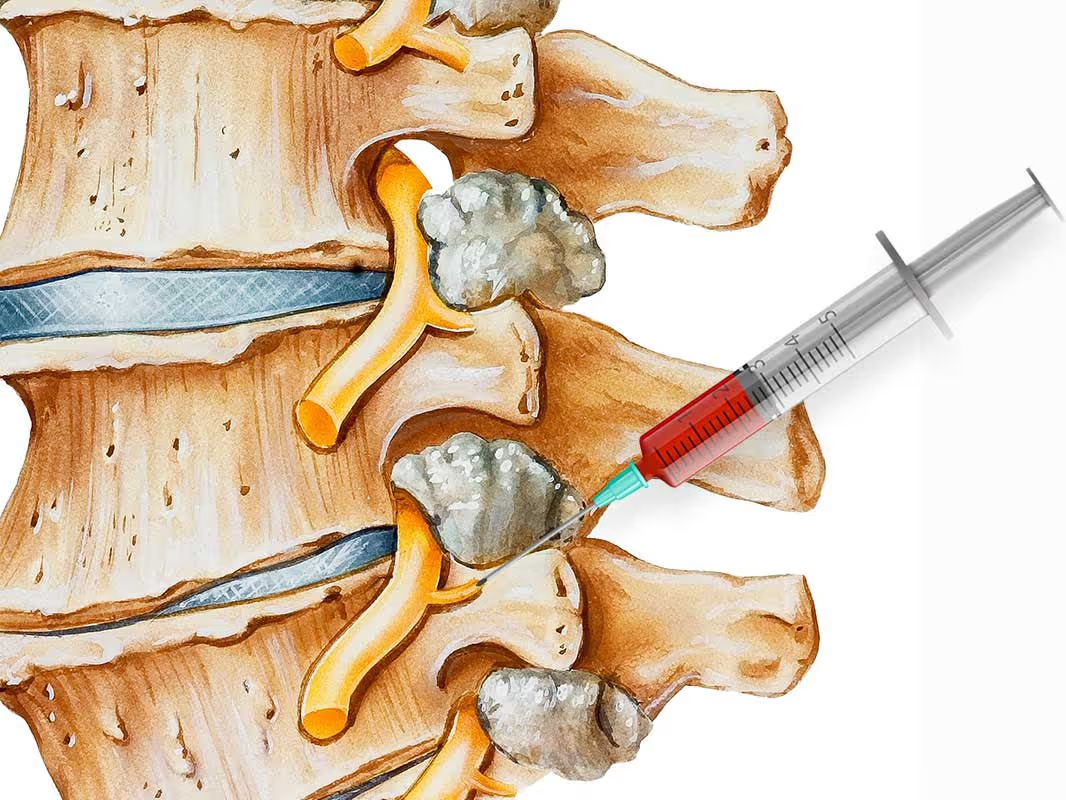
A diagnostic and therapeutic nerve block that identifies and treats facet joint pain in the spine, providing clarity and relief in one procedure.

Medial Branch Blocks are a type of diagnostic and therapeutic procedure used to treat and evaluate facet joint pain in the spine. A medial branch block involves the injection of a local anesthetic (and sometimes a steroid) near the medial branch nerves. These nerves provide sensation to the facet joints in the spine, which can cause pain if they become irritated or inflamed. The goal of the block is to temporarily "numb" these nerves and provide pain relief. Medial Branch Blocks are performed in the cervical, thoracic, and lumbar regions of the spine.
Your spine is made up of small joints called facet joints that connect each vertebra to the one above and below it. These joints allow your spine to bend and twist, and they are lined with cartilage and surrounded by a capsule of tissue, just like the joints in your knees or shoulders. When facet joints become inflamed from arthritis, injury, or everyday wear and tear, they can cause significant pain in the neck, mid-back, or lower back.
Each facet joint is supplied by tiny nerves called medial branch nerves. These nerves do not control any muscles or movement. Their only job is to carry pain signals from the facet joint to the brain. A medial branch block works by placing a small amount of anesthetic directly on these nerves, temporarily stopping the pain signal from reaching your brain. If the block provides meaningful relief, it confirms that the facet joint is the source of your pain.
This dual purpose makes medial branch blocks one of the most valuable tools in pain management. They help your doctor both treat your pain and pinpoint exactly where it is coming from, which is essential for planning the next steps in your care.
Medial branch blocks are recommended for patients whose pain is suspected to come from the facet joints. You may be a good candidate if you are experiencing:
Facet joint pain is extremely common, especially in adults over 40. It is a frequent cause of chronic neck and back pain that is often underdiagnosed because it does not always show up clearly on an MRI. Medial branch blocks are often the most reliable way to determine whether the facet joints are contributing to your symptoms.
The procedure is performed in an outpatient setting and typically takes about 15 to 30 minutes.
You will lie face down on a procedure table. The skin over the treatment area is cleaned and a local anesthetic is applied to numb the surface so you stay comfortable during the procedure.
Using fluoroscopy (live X-ray guidance), your doctor will guide a thin needle to the location of the medial branch nerves near the affected facet joints. Fluoroscopy allows your doctor to see the bony landmarks of the spine in real time and position the needle with precision. A small amount of contrast dye may be used to confirm correct placement.
Once the needle is in the right position, a small amount of local anesthetic is injected onto each targeted nerve. The procedure is often performed at multiple levels, depending on how many facet joints are suspected to be contributing to your pain.
After the injections, the needles are removed and small bandages are applied. You will be asked to move around and assess your pain level over the next several hours. This feedback is critical because it tells your doctor whether the facet joints are truly the source of your symptoms.
Medial branch blocks are widely covered by most insurance plans, including Medicare, when facet joint pain is suspected and documented. Your out-of-pocket cost will depend on your insurance plan, deductible, and the number of levels treated. Our office will verify your benefits before the procedure so you know what to expect.
Recovery from a medial branch block is quick. Most patients can return to normal activities within 24 hours.
You may notice immediate pain relief from the local anesthetic, which typically lasts for several hours. It is important to pay close attention to your pain levels during this time, as the degree of relief you experience helps your doctor determine whether the facet joints are the problem. You may be asked to keep a pain diary for the rest of the day.
Some patients experience mild soreness at the injection sites for a day or two, which is normal. Ice packs applied for 15 to 20 minutes at a time can help. Avoid strenuous activity for the first 24 hours. Showers are fine the same day, but avoid baths, pools, and hot tubs for 24 hours.
If a steroid was included in the injection, the anti-inflammatory benefits may develop over the following three to seven days and can provide additional relief lasting weeks to months.
The diagnostic value of a medial branch block is just as important as the pain relief it provides.
If you experience significant pain reduction (typically 80% or more) during the hours after the procedure while the anesthetic is active, it strongly suggests that the facet joints are the source of your pain. Most insurance plans and clinical guidelines require one or two successful diagnostic blocks before approving the next step in treatment, which is often radiofrequency ablation.
From a therapeutic standpoint, many patients get meaningful relief from medial branch blocks alone, especially if a steroid is included. The duration of relief varies from patient to patient. Some experience weeks or months of improvement, while others find the relief shorter-lived. For those who respond well diagnostically but need longer-lasting results, radiofrequency ablation offers a more durable solution.
Here is what to keep in mind before your medial branch block:
Medications: Inform your doctor about all medications, especially blood thinners (warfarin, Eliquis, Xarelto, Plavix), aspirin, and NSAIDs like ibuprofen. Some may need to be stopped several days before the procedure. Your doctor will give you specific instructions.
Pain tracking: Your doctor may ask you to track your pain levels carefully on the day of the procedure. This information is essential for determining whether the block was successful and for planning next steps.
Allergies: Let your doctor know about any allergies to local anesthetics, steroids, or contrast dye.
Transportation: You will need someone to drive you home after the procedure.
Diabetes: If a steroid is used, it can temporarily raise blood sugar levels. Monitor your levels closely for several days if you have diabetes.
Expectations: Understand that medial branch blocks often serve a diagnostic purpose. Even if the relief is temporary, a positive response provides valuable information that guides the rest of your treatment plan.

Wear and tear on the small joints of the spine is one of the most common causes of chronic neck and back pain. Medial branch blocks target the nerves supplying these joints to confirm and treat the problem.
When pain persists despite physical therapy and medications, a medial branch block can identify the exact source and provide the diagnostic clarity needed to plan longer-lasting treatment.
A successful medial branch block is the first step toward radiofrequency ablation, which can provide six months to a year or more of relief. The block confirms the right nerves are being targeted so your doctor can proceed with confidence.
Medial branch blocks can be performed in the cervical (neck), thoracic (mid-back), and lumbar (lower back) regions. Your doctor will determine which levels to treat based on your symptoms, physical exam, and imaging findings.